
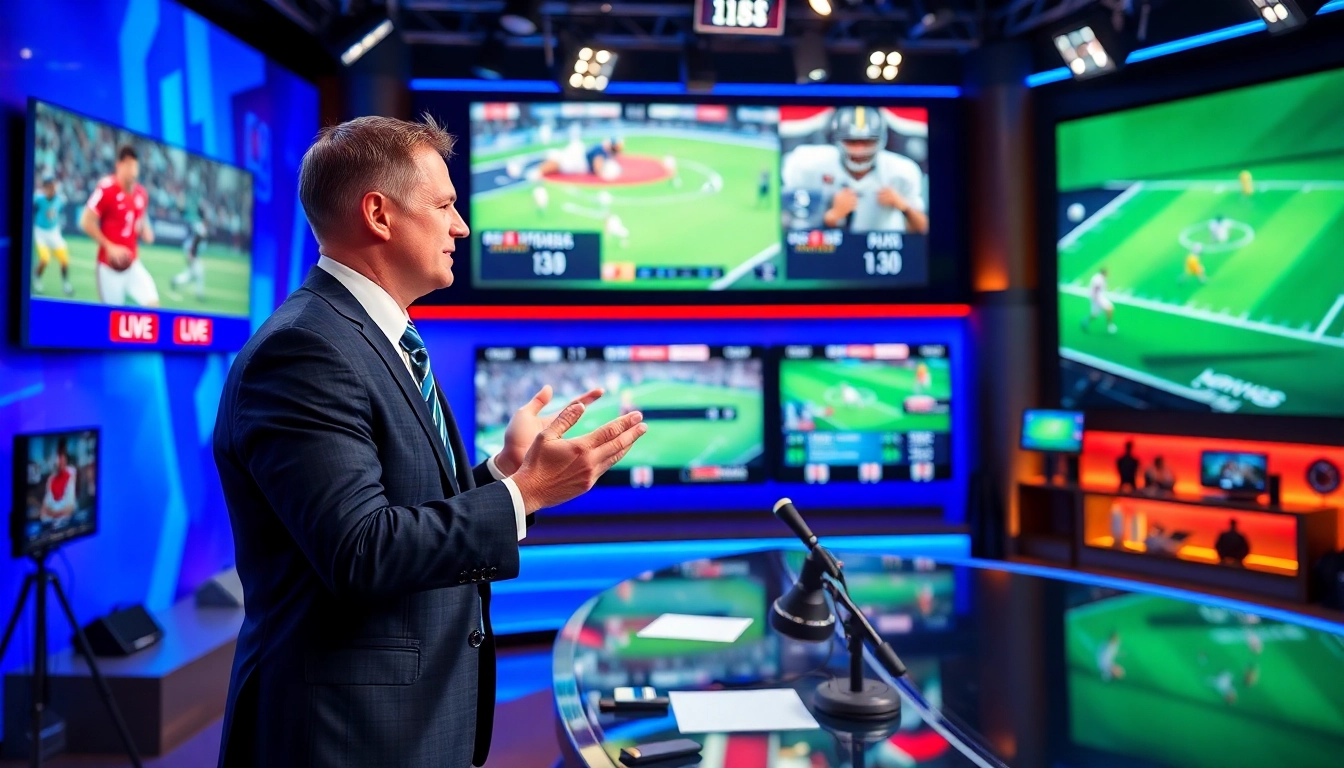
Understanding Sports Broadcasting
Sports Broadcasting represents a pivotal element in the interaction between media and audiences, merging the worlds of sports and entertainment. This unique niche plays a crucial role in how fans consume sporting events and engage with their favorite teams and athletes. The evolution of Sports Broadcasting has transformed not only the way games are aired but also how they are experienced, making it essential for stakeholders—fans, athletes, broadcasters, and sponsors alike—to understand its significance.
The Role of Sports Broadcasting in Modern Media
Sports Broadcasting serves several key functions in the modern media landscape. At its core, it facilitates real-time communication of sports events to a diverse audience. It creates a shared experience among viewers, regardless of geographic location, enhancing the emotional connection between fans and the sporting community. Furthermore, it acts as a significant revenue stream for leagues and teams through advertising, sponsorships, and broadcasting rights, which in turn helps fund various aspects of sports, including player salaries, infrastructure, and community programs.
Types of Sports Broadcasting Platforms
Today’s audience has a plethora of options for consuming sports content, which can be broadly categorized into traditional and digital platforms:
- Television Broadcasting: This includes cable and satellite services offering live games, analyses, and highlights.
- Online Streaming Services: Platforms such as Hulu, YouTube TV, and dedicated sports networks provide on-demand access and live streams.
- Radio Broadcasts: Traditional radio remains popular, especially for local teams or specific events.
- Social Media: Platforms like Twitter, Instagram, and Facebook allow for real-time updates, highlights, and fan interaction.
Key Terms and Concepts in Sports Broadcasting
Understanding the jargon of Sports Broadcasting is vital for both professionals and audiences:
- Play-by-Play Commentary: Real-time narration of the activity happening on the field or court.
- Color Commentary: Additional commentary that provides insights, statistics, and stories to complement the play-by-play.
- Broadcast Rights: Legal rights to air a particular sporting event, usually acquired through bidding wars or negotiations.
Technical Aspects of Sports Broadcasting
Equipment Required for Live Sports Broadcasting
Live sports broadcasts rely heavily on specialized equipment to capture and relay the action effectively. This equipment includes:
- Cameras: High-definition cameras are essential for capturing live action, often positioned at multiple angles around the venue.
- Audio Equipment: Microphones and mixers are vital for clear commentary and capturing the ambient sounds of the event.
- Switchers and Mixers: These allow operators to manage multiple camera feeds and audio sources, creating a seamless viewing experience.
- Encoding Equipment: To convert video and audio signals into a digital format for streaming.
Broadcasting Techniques and Best Practices
To ensure high-quality broadcasts, certain techniques and best practices should be adhered to:
- Camera Angles: Varying angles can enhance the narrative and keep viewers engaged.
- Audio Balance: Ensuring that commentary, crowd noise, and effects are balanced to provide an immersive experience.
- Timing: Accurate coordination of graphics, commentary, and replays is essential for maintaining viewer interest and engagement.
- Graphics Production: Utilizing overlays for scores, player stats, and other information enriches the viewer's experience.
Understanding Broadcast Quality and Standards
Broadcast quality directly affects viewer satisfaction. Several factors determine the standard:
- Resolution: High-definition (HD) or ultra-high definition (UHD) broadcasts provide clearer images and a more immersive experience.
- Frame Rate: Frame rates of 30 to 60 frames per second are standard for smooth motion, particularly in fast-paced sports.
- Latency: Minimizing the delay between live action and broadcast ensures viewers receive timely updates.
Content Creation in Sports Broadcasting
Developing Engaging Sports Commentary
Compelling sports commentary requires a blend of knowledge, creativity, and personality. Commentators should familiarize themselves with the teams, players, and relevant statistics to provide contextually rich insights. It’s crucial to maintain a conversational tone that resonates with audiences while jazzing up the broadcast with interesting anecdotes and facts.
Using Graphics and Visuals Effectively
Graphics play an important role in engaging viewers. Well-designed visuals, such as player statistics, game analysis, and replays, should be integrated seamlessly into broadcasts to enhance information delivery. Timing and placement of graphics are essential—overlapping them too much can distract viewers, while strategic displays can elevate understanding and engagement.
Storytelling Techniques in Sports Broadcasting
Storytelling is an art that can enhance the emotional connection between viewers and the sport. Each game tells multiple stories—the athletes’ journeys, the competition's stakes, and fan reactions. Commentators should weave these narratives through well-timed commentary, creating a compelling watching experience that captivates viewers beyond the mere outcome of the game.
Audience Engagement Strategies
Leveraging Social Media for Sports Broadcasting
Social media has transformed how audiences interact with Sports Broadcasting. Broadcasters can engage fans through live commentary, polls, and interaction during events. Real-time engagement promotes community building and enhances the experience for viewers, ultimately driving greater loyalty and interest in sports content.
Interacting with Viewers During Broadcasts
Encouraging audience interaction during broadcasts can enrich the viewer experience. This can include on-screen polls, live Q&A sessions with commentators, and featuring social media posts. Such interactions foster community feeling and can create a sense of belonging among fans, bolstering viewer retention.
Analyzing Viewership Metrics
To maintain an effective Sports Broadcasting strategy, analyzing viewership metrics is essential. Key performance indicators (KPIs) such as viewer numbers, demographics, peak view times, and social media engagement should be tracked and adjusted to refine future broadcasts. Utilizing data analytics tools can help identify trends, preferences, and opportunities for improvement.
Future Trends in Sports Broadcasting
Impact of Digital Platforms on Sports Broadcasting
The rise of digital platforms has profoundly affected Sports Broadcasting, allowing for greater accessibility and flexibility for fans. As technology advances, viewers can watch games when and how they want, making traditional broadcasting methods evolve to stay relevant. Customization and interactive features will likely become standard expectations.
Emerging Technologies in Sports Broadcasting
Several emerging technologies promise to innovate the Sports Broadcasting landscape, including:
- Augmented Reality (AR): Enhancements to live broadcasts can create immersive experiences by displaying real-time stats and graphics overlaid on the field.
- Virtual Reality (VR): VR could revolutionize how fans watch games by offering a completely immersive viewing experience.
- 5G Technology: The introduction of 5G networks will enable higher bandwidth and lower latency, significantly improving streaming quality and access.
Challenges and Opportunities Ahead for Sports Broadcasting
With innovation comes challenges. Balancing viewer expectations with broadcasting rights, navigating the complexities of digital transformation, and adapting to younger audiences’ preferences will be critical. However, the drive toward inclusivity, new storytelling methods, and diverse content presents exciting opportunities for growth and expansion in the Sports Broadcasting sector.
Frequently Asked Questions
What is Sports Broadcasting?
Sports Broadcasting involves transmitting live or recorded sporting events to an audience through various media platforms, including television, radio, and online streaming services.
What equipment is necessary for Sports Broadcasting?
Essential equipment includes cameras, audio devices, mixing consoles, and encoding tools to ensure high-quality broadcasts that captivate audiences.
How do commentators engage with the audience?
Commentators engage with their audience through entertaining narratives, timely insights, and interactions via social media during broadcasts to enhance viewers' experience.
What role does technology play in Sports Broadcasting?
Technology enhances the viewing experience through high-definition broadcasts, interactive features, and emerging technologies like AR and VR, providing a more immersive environment.
How are viewership metrics analyzed?
Viewership metrics are analyzed using tools that track audience demographics, engagement, and preferences, informing future broadcast strategies and content decisions.